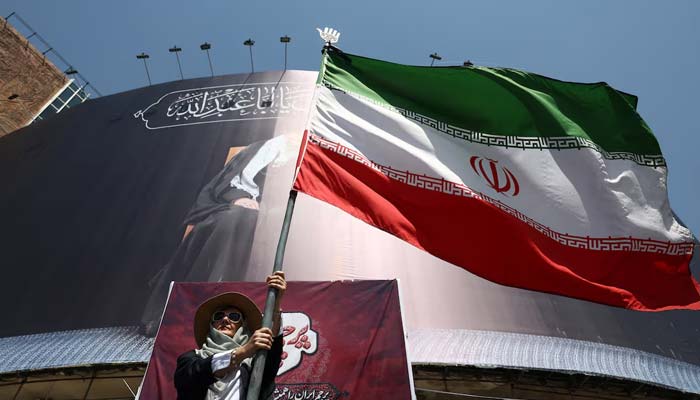
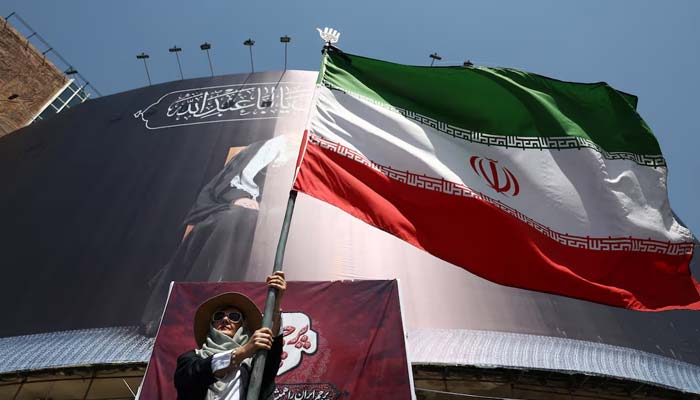
DOHA: Iran and the United States concluded a round of indirect talks in Doha, mediators said Thursday, as efforts continued to advance negotiations and lower tensions following recent exchanges of fire.
In June, Washington and Tehran agreed a memorandum of understanding, brokered by Qatar and Pakistan, which included a 60-day ceasefire pausing the war that broke out with US-Israeli strikes in late February, as well as the reopening of the blockaded Strait of Hormuz.
But the 14-point deal also set a timeline for talks to permanently end the war and settle issues like arrangements for Hormuz, reconstruction funding for Iran and the future of the Islamic republic’s nuclear programme.
Here is what we know about the latest round of discussions:
What was agreed
Following the foes’ indirect discussions in Doha on Wednesday, US President Donald Trump as well as mediators Qatar and Pakistan offered signs that diplomacy was holding.
“Qatari and Pakistani mediators concluded separate meetings with the US and Iranian negotiators in Doha (Wednesday), with positive progress made,” the two mediating nations said in a statement on Thursday.
At the talks’ conclusion, Iran’s Deputy Foreign Minister Kazem Gharibabadi, who led Tehran’s delegation, said an agreement had been reached to establish a communications channel by Thursday to report and record alleged violations of the memorandum.
Gharibabadi said discussions also covered frozen Iranian assets, whose release Tehran has demanded as part of any settlement.
He said officials reviewed the use of part of an initial $6 billion and agreed that goods needed by Iran would be purchased and made available.
Trump told reporters Wednesday before boarding Air Force One: “As far as things are going, the denuclearisation of Iran is moving along well.”
A source familiar with the matter told AFP on condition of anonymity that indirect negotiations in Doha had focused more specifically on arrangements for the Strait of Hormuz, with the nuclear issue slated for deeper discussion in later rounds of talks.
What comes next
The next indirect US-Iran talks will come after the late Iranian supreme leader’s funeral.
Ayatollah Ali Khamenei was assasinated aged 86 at his compound in the centre of the Iranian capital on February 28, the first day of the war. Power was swiftly passed to his son Mojtaba.
Ali Khamenei’s public funeral will begin on Saturday, with his body lying in state at the colossal complex in central Tehran that hosts major Friday prayers, official ceremonies and religious gatherings.
Qatar and Pakistan said in statements that the sides agreed to keep talking, “with the next meeting to be set at the earliest possible time following the funeral processions”.
Movements on the ground
Since the signing of the US-Iran deal in June, both sides have traded sporadic fire in the Gulf.
Tehran’s enforcement of its claim to the Strait of Hormuz has sparked repeated flare-ups.
The latest came when US Central Command said over the weekend that it had attacked 10 Iranian military targets over “continued Iranian aggression against commercial shipping”.
Iran said it retaliated with strikes against US bases in Kuwait and Bahrain, which both condemned Tehran.
However, the exchanges of fire appear to have calmed in the days leading up to the talks in Qatar.
On the Lebanon front, fighting between Israel and Hezbollah has been relatively quiet, though the National News Agency reported a strike in the country’s southern city of Nabatieh on Wednesday evening, without mentioning any victims.
Lebanon is still waiting for Israel to start withdrawing from “pilot zones” where the Lebanese army would deploy, as per a framework agreement between the two countries.
Tehran has insisted any deal should include an end to the parallel conflict and a withdrawal of Israeli troops from southern Lebanon, part of which they have occupied.